Introduction
There are moments when conservation stops being technical and becomes personal. When it is no longer about hectares restored or seedlings planted, but about identity, dignity and responsibility. At Kenya’s Coast, restoration is increasingly becoming exactly that, a shared moral and community project grounded in faith, culture and stewardship of the land.
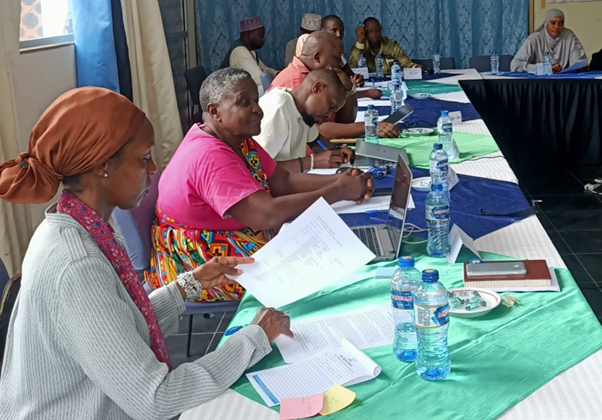
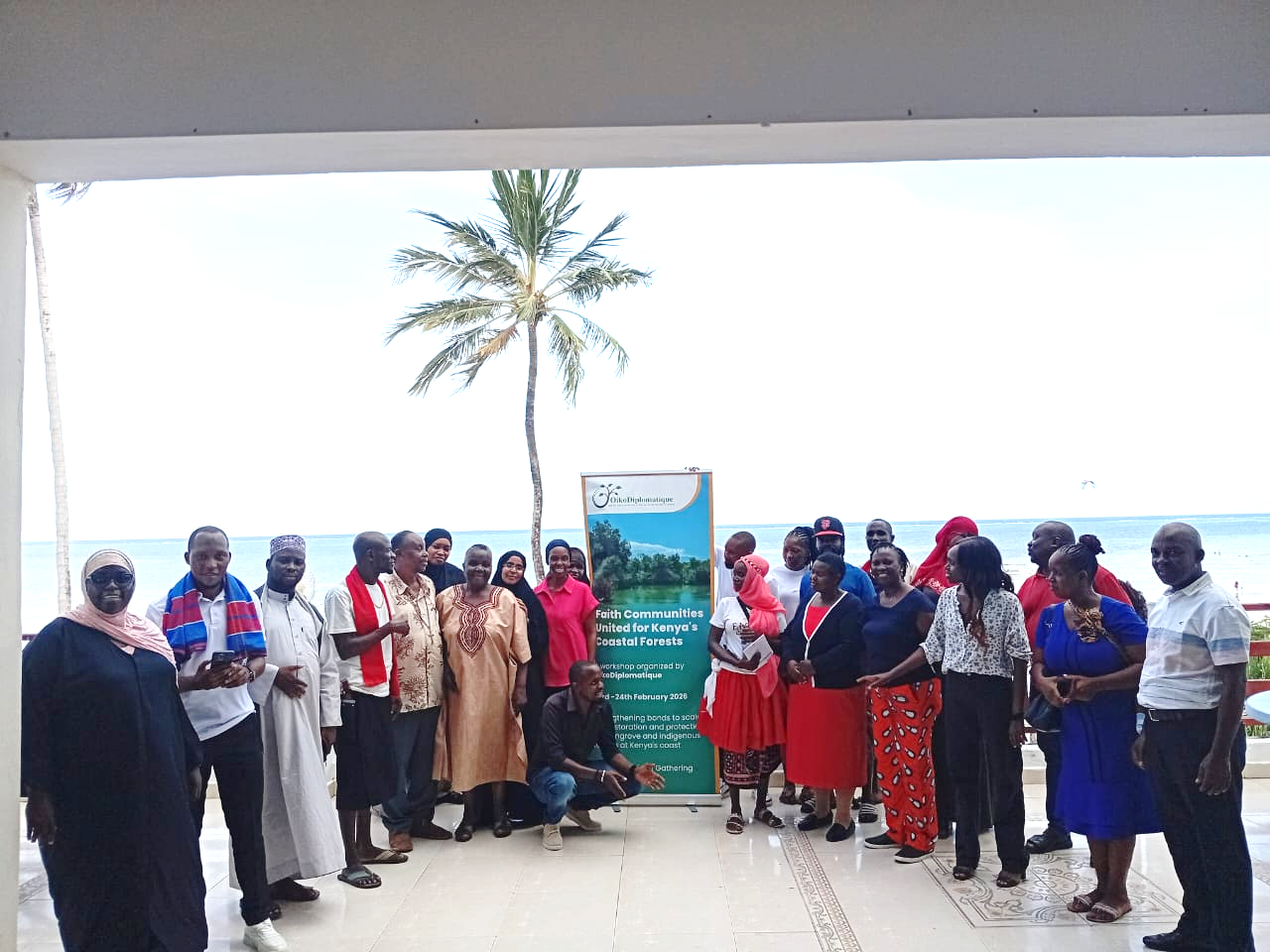
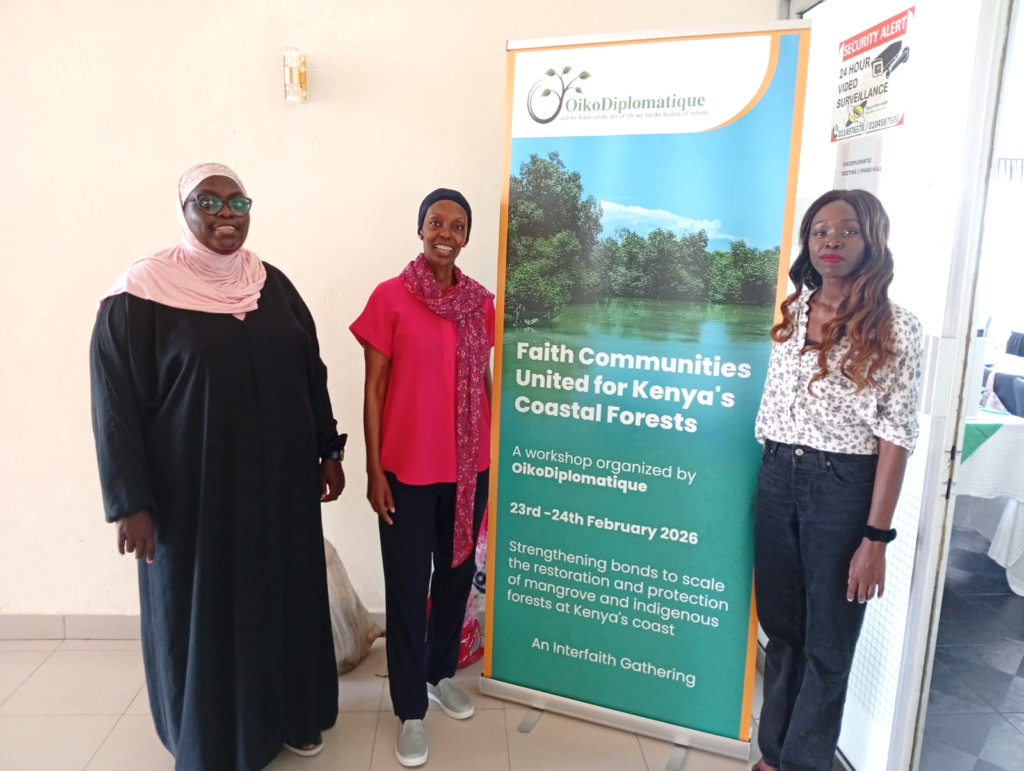
From 23rd – 24th February 2026 at Sai Rock Hotel in Mombasa, faith leaders including Muslim, Christian and Indigenous faith tradition, the Kaya, together with women restoration groups, youth actors, legal practitioners, environmental practitioners and government representatives gathered under the theme “Faith Communities United for Kenya’s Coastal Forests”. The gathering sought to strengthen interfaith collaboration and community-led governance for the scaled restoration of Kenya’s coastal forests.
Landscape Overview of Kenya’s Coast
Mangroves are thinning. Terrestrial forests face increasing pressure from land use change, charcoal production and encroachment. Livelihood challenges push communities toward short-term survival strategies that undermine long-term ecological health.
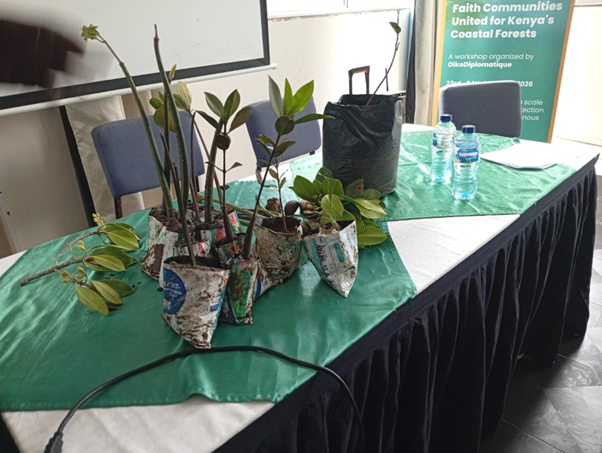
In the midst of these pressures, faith actors across the Coast offer something important: a shared moral understanding that can help reframe how communities think about the environment. Christian, Muslim and Indigenous faiths all agree that stewardship of land and water is not optional. It is a responsibility.
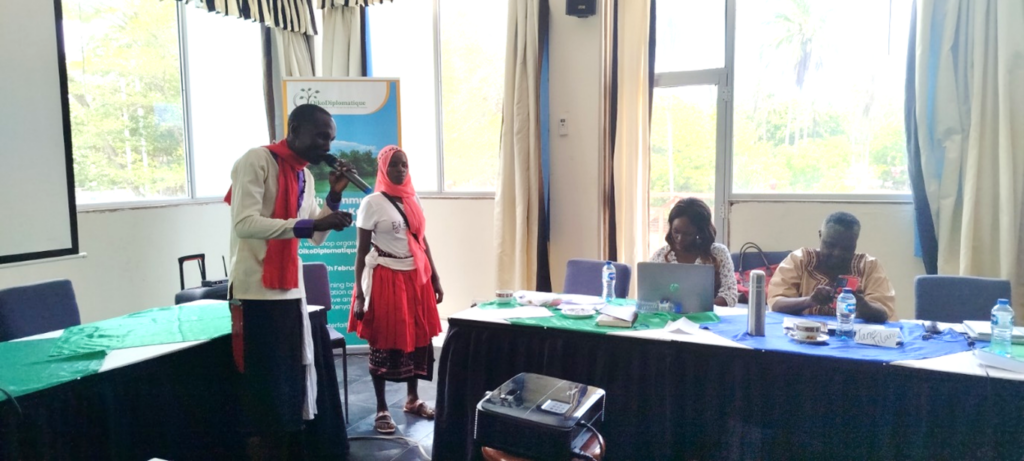
A Snapshot of the Day 1 of the Workshop
The meeting opened with interfaith prayers from a Christian leader, a Muslim sheikh and an Indigenous kaya leader. That opening set the tone for the days ahead. Restoration was not treated simply as a technical issue. It was framed as a question of moral responsibility, cultural continuity and collective action. Throughout the dialogue, participants emphasized that mangroves and terrestrial forests are not isolated ecological features. They are part of a living system that connects land, water, livelihoods, governance and spirituality.
One participant put it simply:
Mangroves are not isolated systems. If upstream rivers are polluted, mangroves suffer. If forests disappear, fisheries decline. If communities lose livelihoods, pressure on ecosystems increases.
Mangroves themselves play an important role in this interconnected system. Acting as natural filters along the coast, they trap sediments and pollutants carried downstream and help protect the marine ecosystems beyond them. Restoration therefore cannot happen in fragments.
Faith Actors, Women and Youth Roles in Land Restoration
The gathering also highlighted something often overlooked in environmental conversations: faith communities and Indigenous leaders already play a central role in shaping environmental behavior. Faith leaders speak to large audiences every week. Kaya leaders carry generations of ecological knowledge. Women manage household economies that influence how resources are used. The youth represent the future of restoration efforts. But these actors have not always worked in alignment. This convening created space to listen, reflect and rebuild trust while strengthening collaboration between faith traditions and community actors working to restore Kenya’s coastal forests.
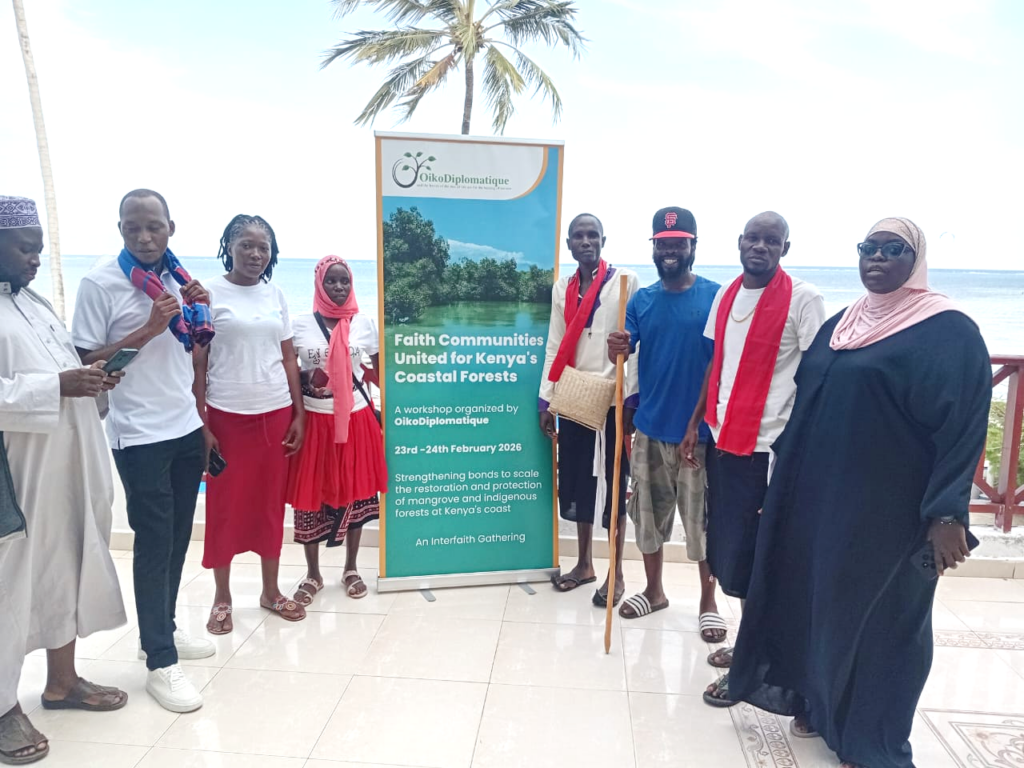
Women leaders spoke candidly about the economic realities behind environmental degradation. As one participant asked during discussions on restoration initiatives:
“We believe in restoration, but how do we put food on the table?”
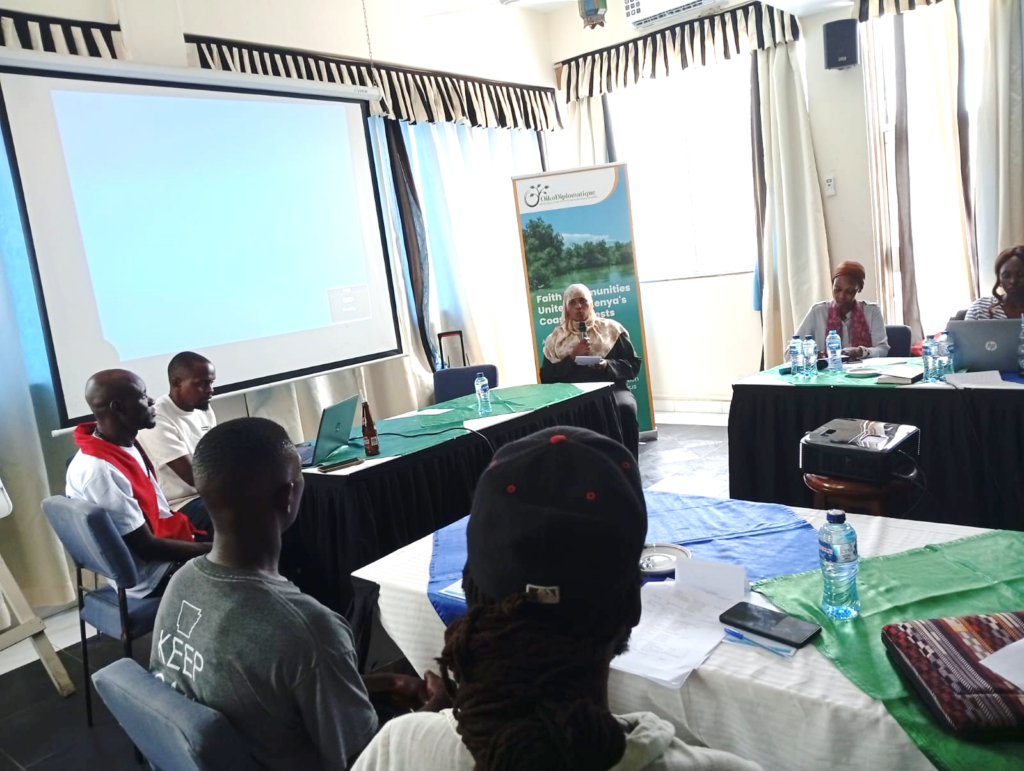
Community members shared examples of pineapple farming, charcoal alternatives made from agricultural waste, savings groups and mangrove seedling development. These initiatives showed that restoration and livelihoods must move together.
Restoration as a Form of Psychosocial Support
The psychosocial dimensions of restoration also emerged during the discussions. One presenter shared how her faith in God and commitment to restoring the land became part of her own healing journey after the loss of a loved one. In caring for the land, she spoke of also restoring the self, reminding participants that restoration can nurture both landscapes and the wellbeing of communities.
A Snapshot of Day 2 of the Workshop
Day Two shifted the conversation toward protection and policy. Legal experts and practitioners discussed constitutional protections, community land rights and the need to safeguard environmental defenders.
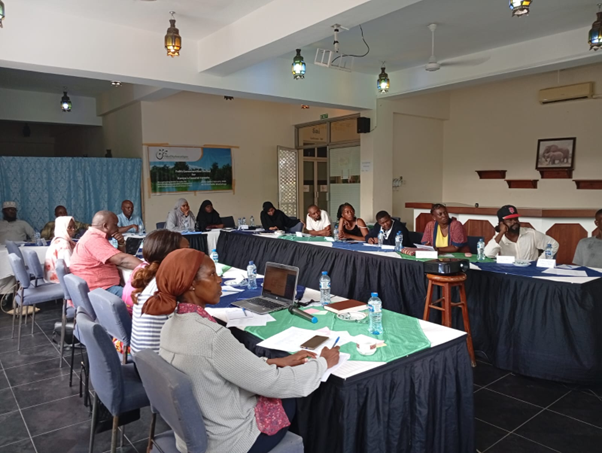
Participants also reflected on Laudato Si, the encyclical on care for our common home, which was referenced during the discussions on faith and environmental stewardship. It underscored how faith traditions can provide a moral foundation for caring for the earth and restoring degraded ecosystems.
Participants reflected on the deeper meaning of stewardship across traditions. One insight captured the spirit of the gathering:
“Trees just in existence are a way of worship in themselves.”
Another participant reminded the room of a Swahili proverb:
“Mwacha mila ni mtumwa.”
When interpreted, this saying means, one who abandons their culture becomes a slave.
How the Workshop Ended
Participants left with a shared commitment to strengthen interfaith collaboration, support community-led stewardship and work together toward the scaled restoration of Kenya’s coastal forests, while preserving Indigenous ecological knowledge, expanding livelihood opportunities linked to restoration and improving coordination among institutions working at the Coast.
They also left with a shared commitment to strengthen collaboration, preserve Indigenous ecological knowledge, expand livelihood opportunities linked to restoration and improve coordination among institutions working at the Coast.
At OikoDiplomatique, we believe land restoration begins in relationships. Mangroves depend on connection. Communities depend on trust. Stewardship depends on responsibility. This gathering marked an important step toward rebuilding those connections, and toward a shared future where faith, communities and institutions work together to restore Kenya’s coastal forests.
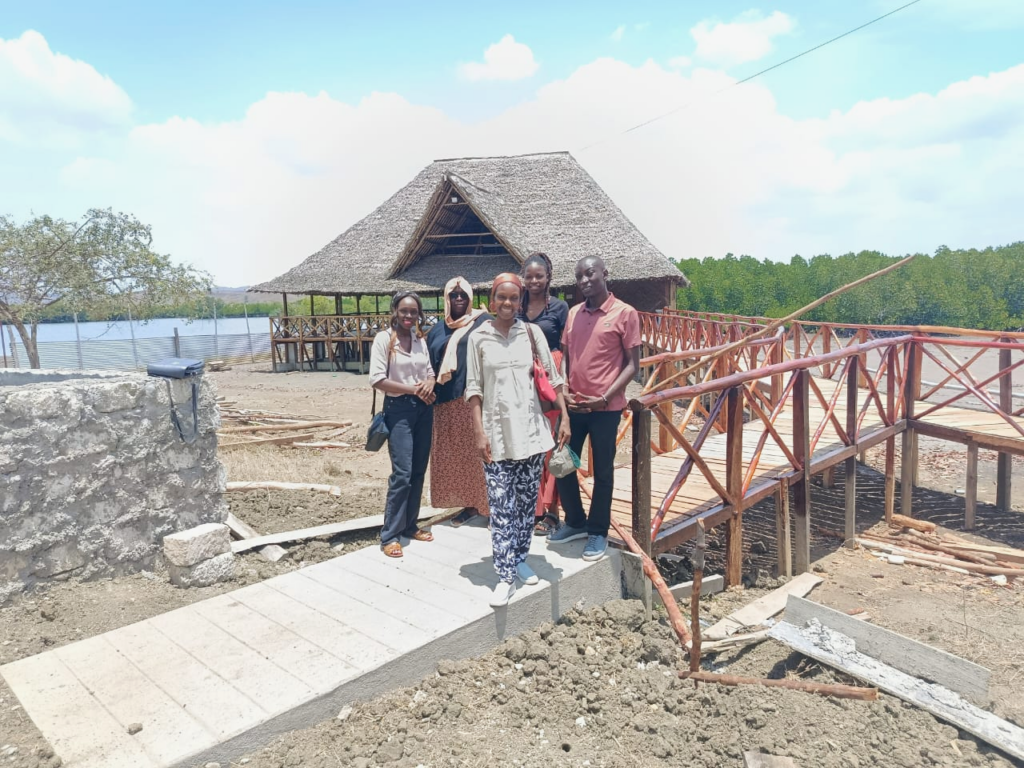
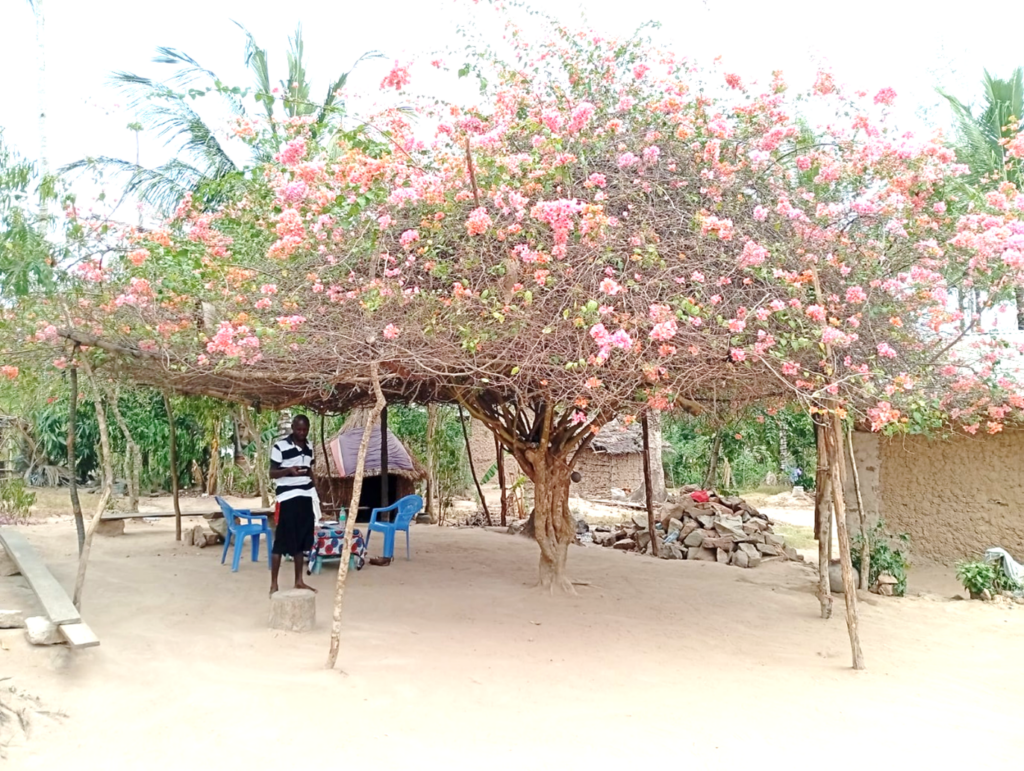
A visit to Big Ship and the Team, and their soon to launch ecotourism restaurant and project – bordering a mangrove forest/river.