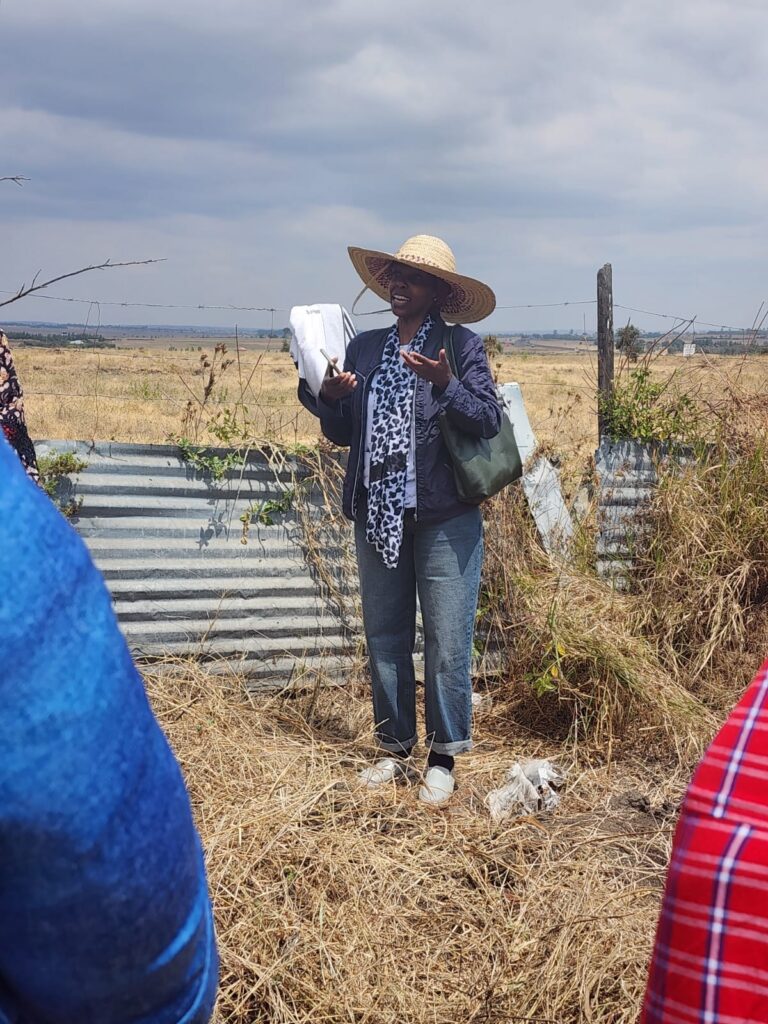
In a dry, water-stressed landscape, restoring the land cannot be separated from restoring how people farm, manage water, and use the resources around them. And when farming and pastoralism share the same landscape, sustainable land management is not only about improving yields. It is also about reducing pressure on the land and finding ways for different livelihoods to coexist.
That is the reality in Kaputiei, Kajiado County, where rainfall is low, water is scarce, and crop farming takes place alongside pastoral livelihoods. As grazing land and water become harder to access, pressure on shared natural resources can create friction between communities and livelihoods. The challenge, then, is bigger than how to grow more food. It is how to keep the land productive and resilient as the climate makes that increasingly difficult.
This is why conservation agriculture and sustainable land management matter. They offer practical ways to protect the soil, use water more efficiently, and maintain productivity without placing even greater pressure on already fragile resources. Having said this, technical solutions alone are not enough. They are more likely to take root when the people who depend on the land are part of the conversation as beneficiaries, knowledge-holders and equal partners.
This thinking shaped our recent activity in Kaputiei, which brought together local residents and representatives of the surrounding Maasai community to explore conservation agriculture and sustainable land management. The process began with something that is easy to overlook because it sits beneath our feet, the soil.
And the soil had a story to tell.
Before the training, we listened to the land
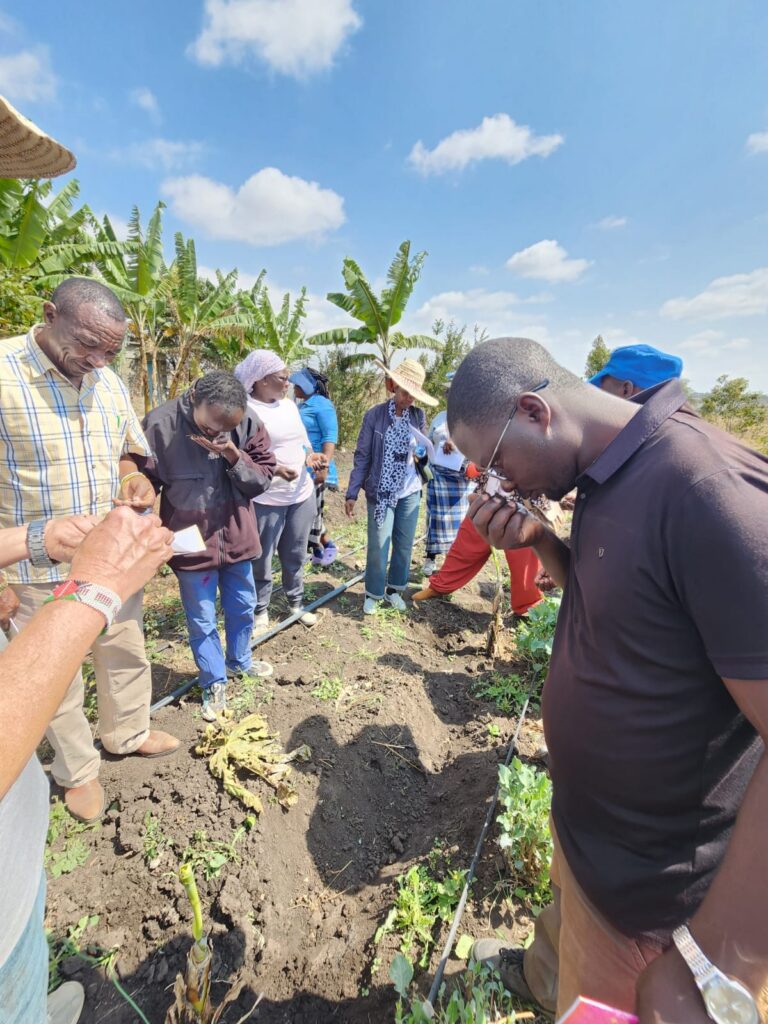
The first step to this process started with collection of soil samples for analysis. The results showed the soil could benefit from more nitrogen. This finding gave the team a way to connect what was happening underground to what farmers were already experiencing on their land.
A needs-assessment visit followed, giving community members space to talk about their farming activities, the land available to them, and the challenges they face. Their experiences shaped the conversation that came next.
So, what does the soil need?
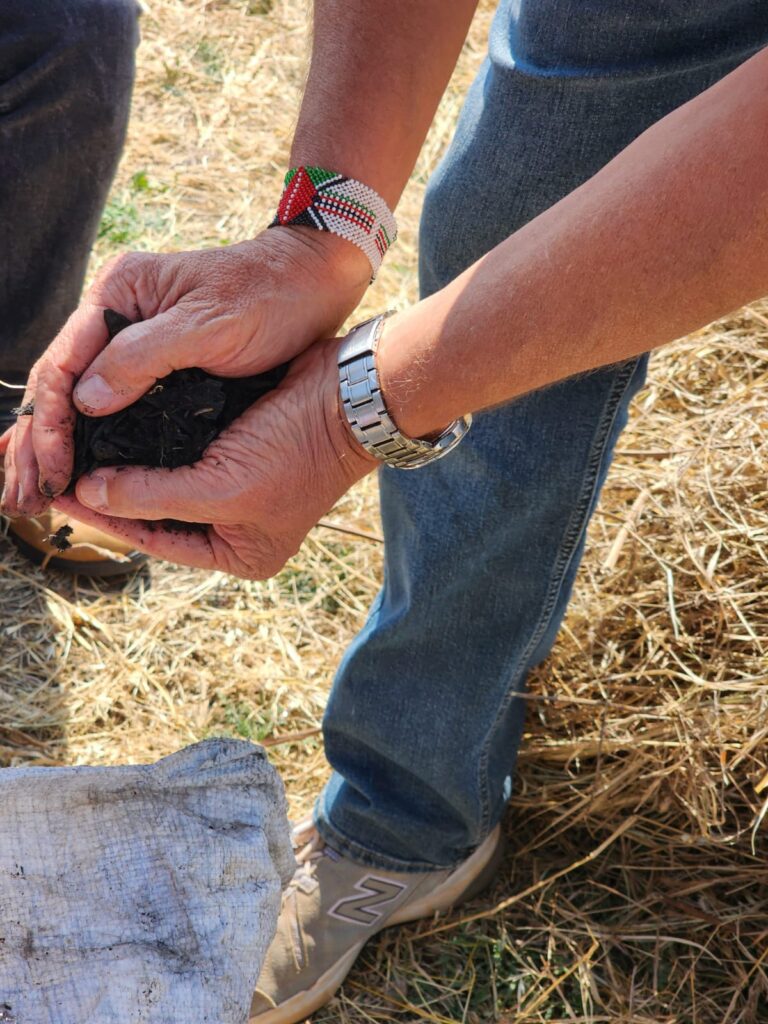
Healthy soil does more than hold a plant upright. It stores water, supports microorganisms, and cycles nutrients. It serves as the foundation for both crops and livelihoods. In a semi-arid area, those functions matter even more when rainfall is limited, every bit of moisture counts, and losing it quickly from exposed soil is not a minor problem.
The training focused on practices that protect and rebuild soil health minimum tillage, mulching, crop rotation, crop diversification, soil cover, nitrogen-fixing crops, agroforestry, and water retention. It also covered soil fertility, organic waste management, water conservation, and mushroom production.
The key message throughout the discussion was that a healthy soil gives agriculture a better chance of surviving stress. The expert, Stephan Lutz, put it more sharply: “The soil knew what to do, but human activities have destroyed it.” This statement reframes what restoration actually requires. The answer isn’t always more inputs, more machinery, more intervention. Sometimes it’s about letting natural systems recover, and changing the practices that keep getting in their way.
One finding from the discussions cut against the assumption many participants had walked in with, that organic farming can’t really compete as a livelihood. “It can,” one participant dispelled this with news of a fully organic 40 acre farm they witnessed in Gilgil. Stephan expressed that when done well with the right combination of soil cover, nitrogen-fixing crops, and crop rotation, a fully organic farm can be both productive and a viable source of income.
But there was another source of knowledge in the room
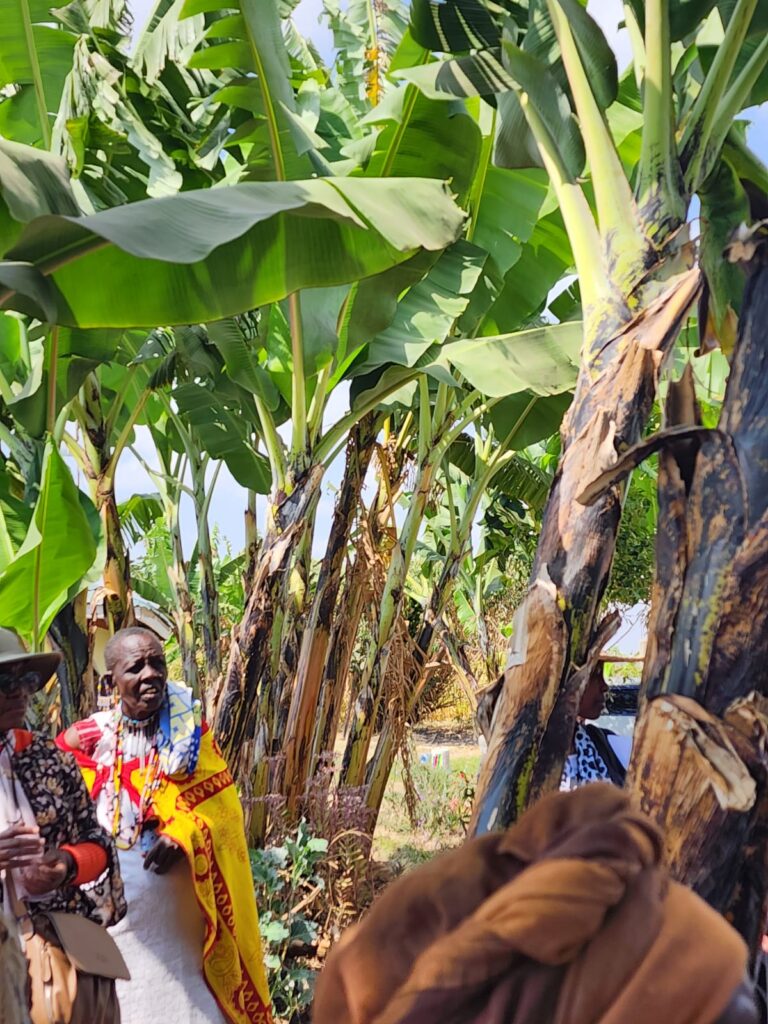
Maasai pastoral communities have managed livestock across shifting rainfall and pasture conditions for generations. Movement, rotational grazing, and restraint against overusing any one area define that relationship with land. During the training, Maasai participants spoke about grasslands and grass cover, and how healthy grass supports rainfall infiltration and local microclimates. They also described how cultural practices shape land management, and pointed to indigenous knowledge of herbs and medicinal plants worth preserving.
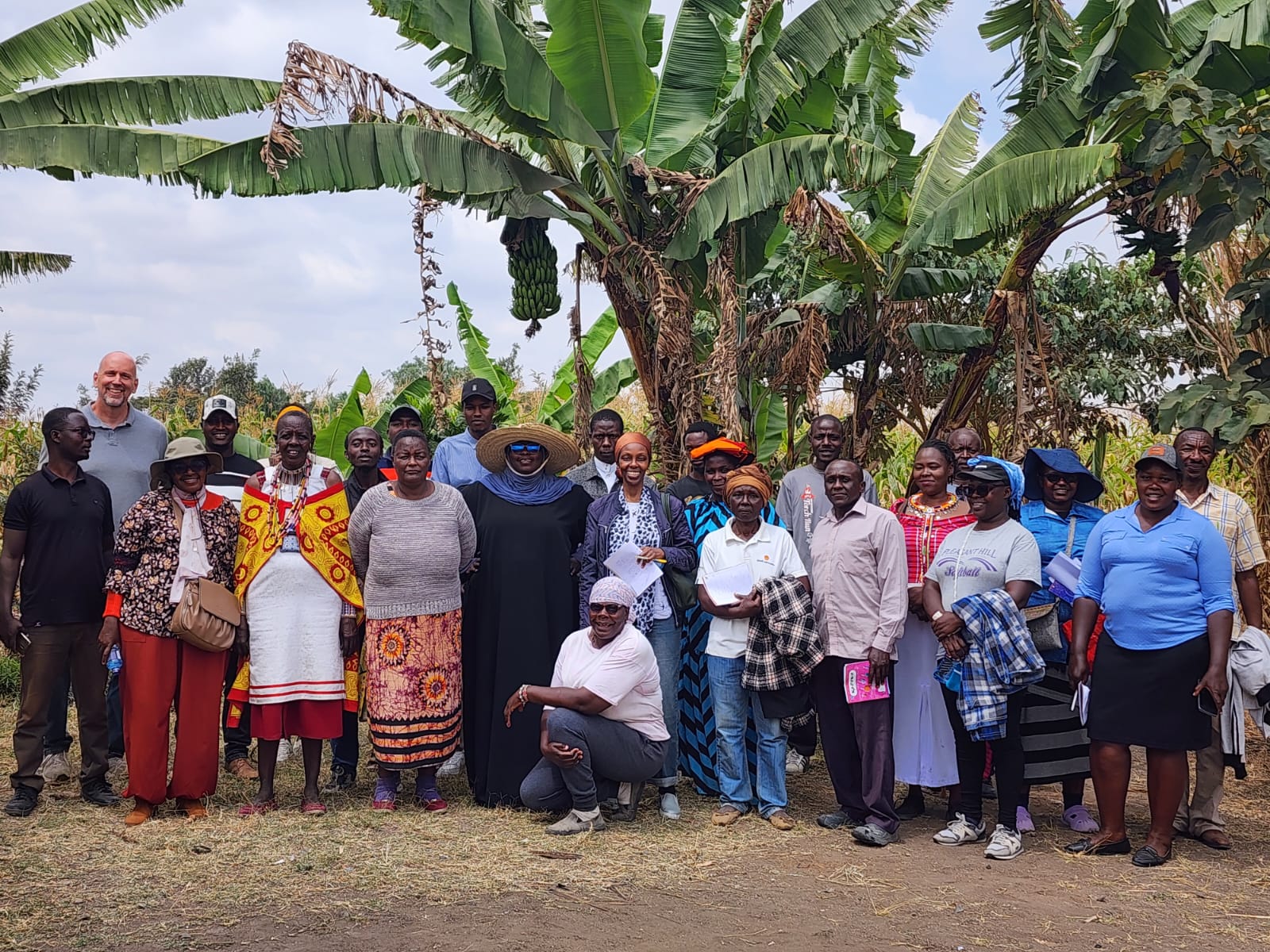
Kaputiei residents and Maasai participants spent the day learning side by side, testing the same demonstration plot and trading questions and experience. In a landscape where communities increasingly share the same limited land and water, spaces like this build trust and give people practical tools for managing shared resources together. The value went beyond the technical lessons: it was a chance for two communities to learn from each other and strengthen the working relationship they’ll need going forward.
The farm is not the whole landscape
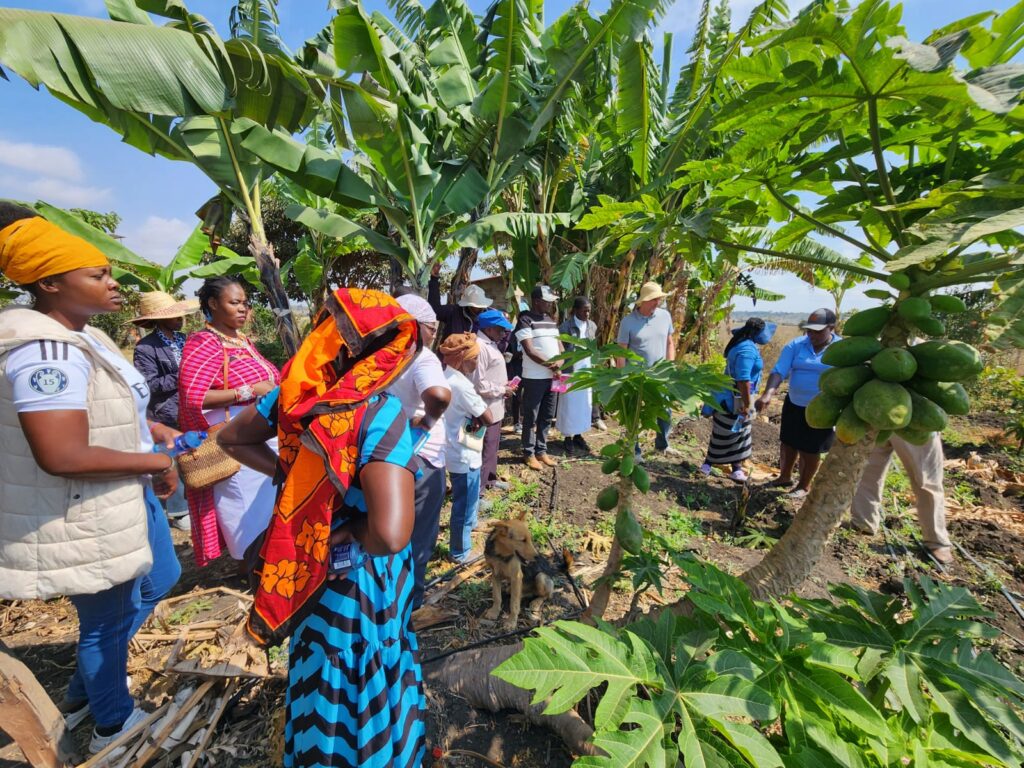
From our discussions, restoring the farm is holistic. What happens on cultivated land affects what happens beyond the farm boundary, just as the condition of surrounding grasslands affects the wider landscape.
This is particularly important in pastoralist areas, where large tracts remain connected to pastoral livelihoods. Restoring those areas can strengthen climate adaptation, protect ecosystems, and help communities stay resilient as rainfall patterns become harder to predict.
Our practical lessons took place at a Maasai-owned demonstration farm. A community owned demonstration farm sends a message that restoration can happen on community terms, using local experience alongside technical knowledge.
From theory to practice
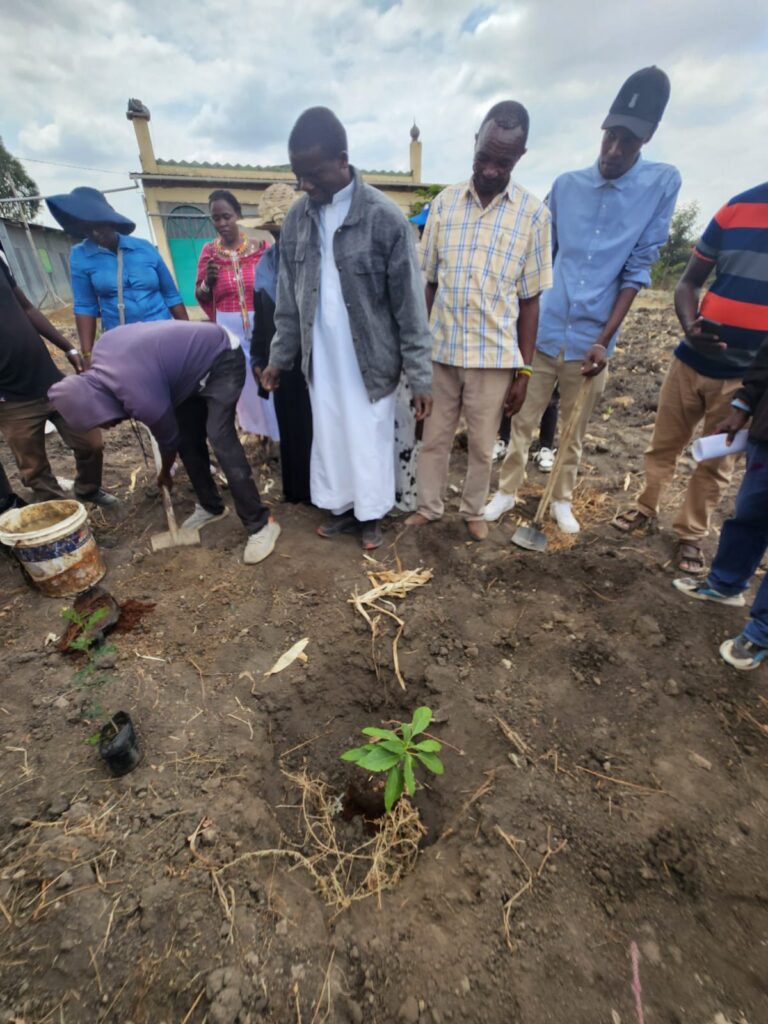
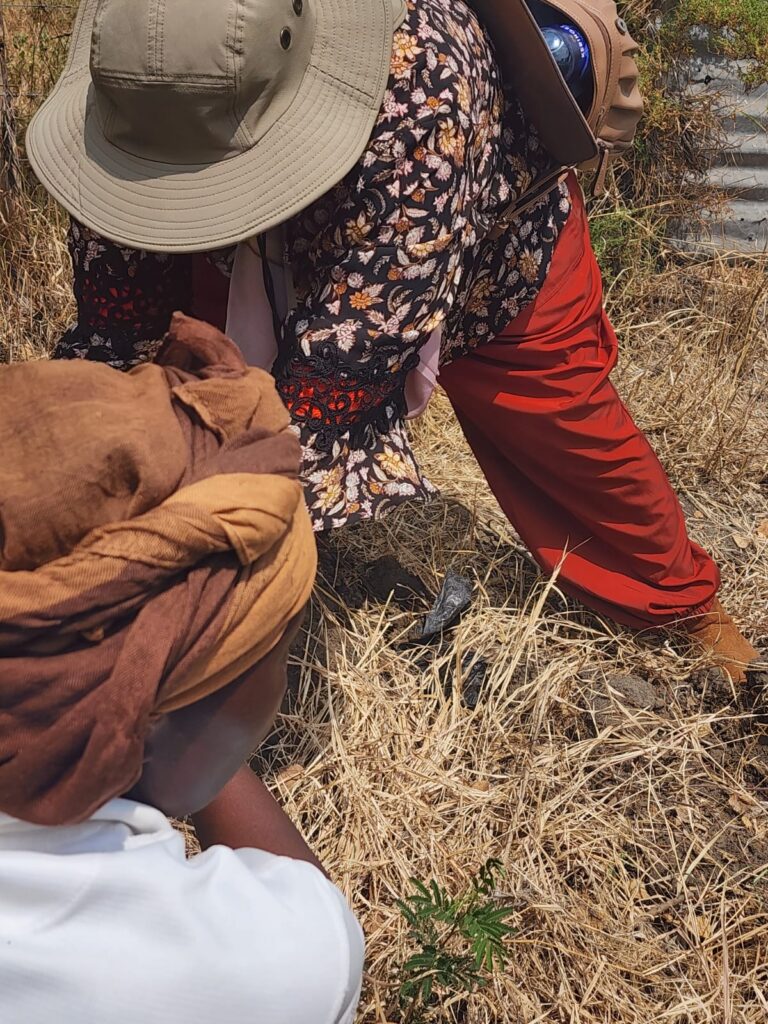
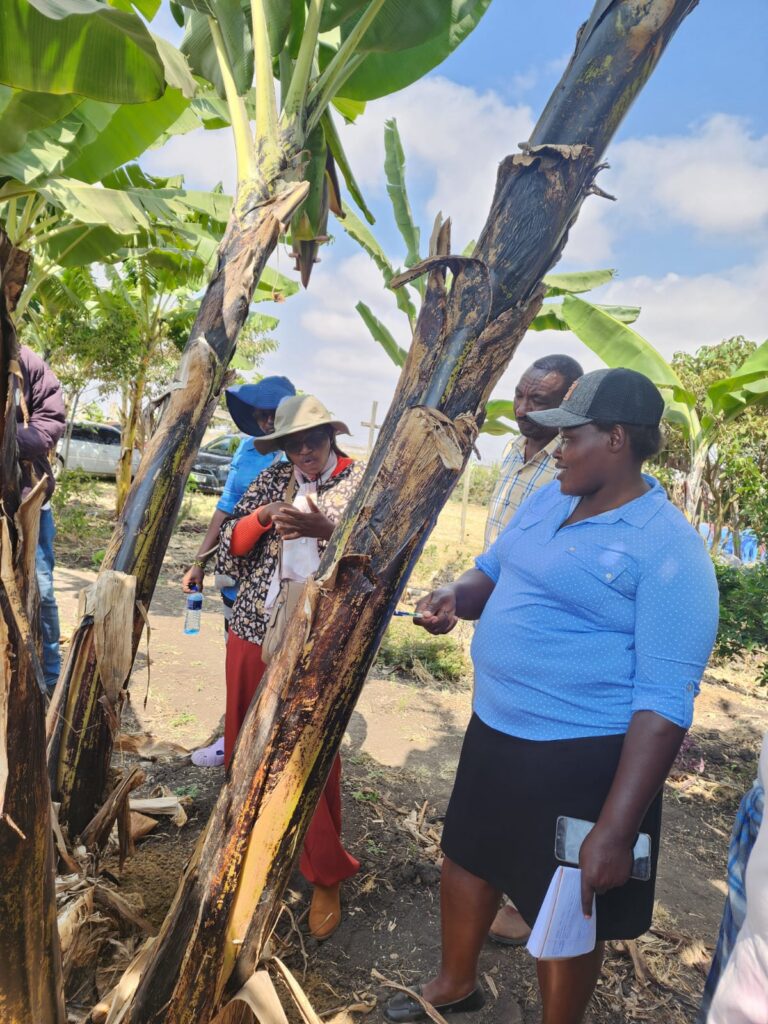
The training included practical demonstrations comparing ripping with blanket tillage, showing how each approach affects soil structure and moisture. One participant drew on her own field experience, noting that crops planted on ripped land had performed better than those in the blanket-tilled area.
This kind of exchange mattered within the approach of the training because people adopt ideas they ‘ve seen, tested, and decided whether they make sense for their own land. The final session focused on a demonstration plot. Ideas discussed included maize-bean intercropping, banana-bean systems, fodder grass, local tree nurseries, kitchen gardens, and practical ways to protect young trees from livestock. The message was to start small, learn, adjust, then grow what works.
Restoration is not a one-way lesson
The clearest lesson from Kaputiei is that sustainable land management has to be a conversation one that brings together different forms of knowledge and creates a shared stake in the future of the land. Soil analysis brought scientific evidence; farmers brought lived experience; conservation agriculture added technical knowledge; and Maasai participants brought generations of knowledge of pastoral landscapes and indigenous practices. Faith leadership added another layer, helping connect land restoration to the values, relationships, and community structures that can sustain action long after facilitators leave. Kaputiei has a mosque and multiple churches, and both denominations’ leadership were actively engaged alongside residents and Maasai participants. This matters because communities experience and respond to land restoration through social, cultural, moral, and spiritual life. Resilience in a water-stressed and changing climate will depend on healthier soils, better water management, productive farms, functioning grasslands, restored trees, and communities with a genuine stake in how their land is managed. The ultimate measure of restoration is about whether the land becomes healthier and whether communities are better able to thrive on it.