
A Community-Led Search for Resilience
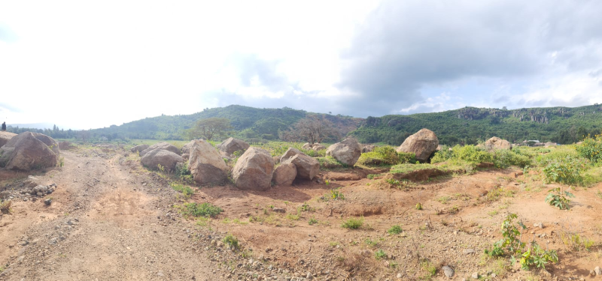
In 2024, Maai Mahiu suffered from a flash flood caused by a blocked underground railway tunnel. Floodwater tore down the escarpment, dragging soil, plant and animal life, houses and the routines of daily life along with it. The water flowed violently overnight, sweeping away the very trees that should have held the ground in place. When the water receded, it left behind a landscape stripped bare, about 60 lives lost, and a community searching for answers. That search led Sr Njoki of the Assumption Sisters who had watched her community battle with degraded land to OikoDiplomatique.
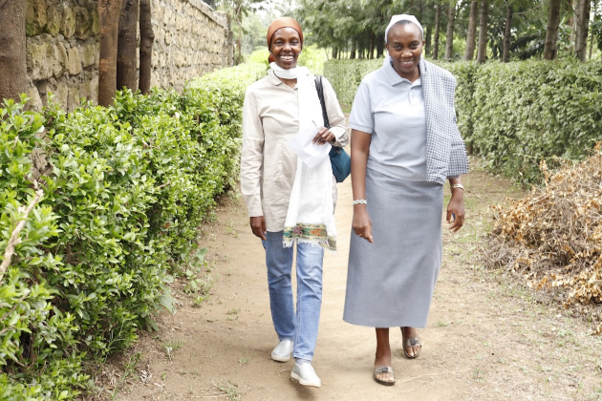
Having heard about a different kind of training that the Institute of Holy Trinity Sisters had received about something called Farmer-Managed Natural Regeneration, or FMNR, an approach that does not require new seedlings or expensive inputs, just patience and the right techniques to let the land restore itself. She wondered whether Maai Mahiu, freshly wounded by the flood, might benefit from the same intervention.
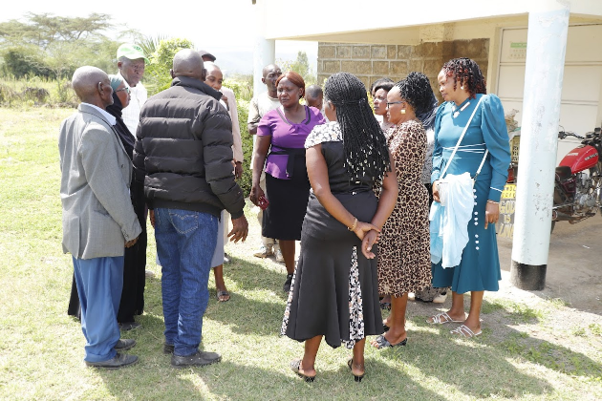
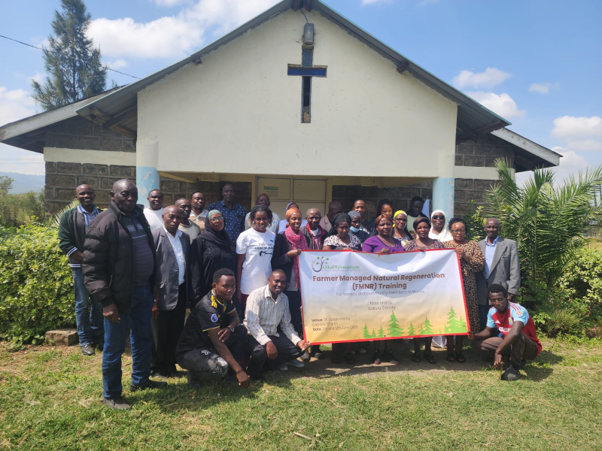
Next, several conversations, research and exchange with experts took place to determine whether the approach would serve a community still recovering from disaster. Once the answer came back yes, the plan moved forward, and a two-day training was set for 11th and 12th June 2026 at St Joseph Catholic Church Muniu.
Bringing FMNR Into Maai Mahiu
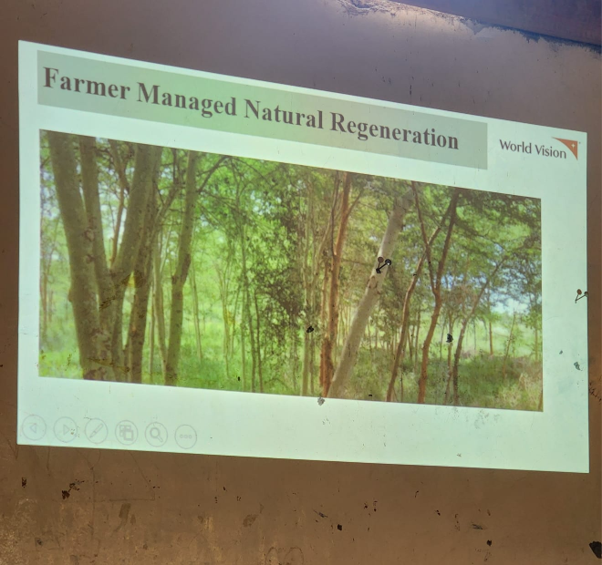
Unlike many restoration approaches, FMNR works with what is already present in the landscape. The method is rooted in a simple but powerful idea. Beneath degraded soil, tree stumps and root systems often survive, dormant but alive. With the right pruning and protection, these remnants can regrow into full trees, faster and more resilient than anything planted from scratch. It is a restoration method led by farmers, using knowledge that travels easily from one household to the next.
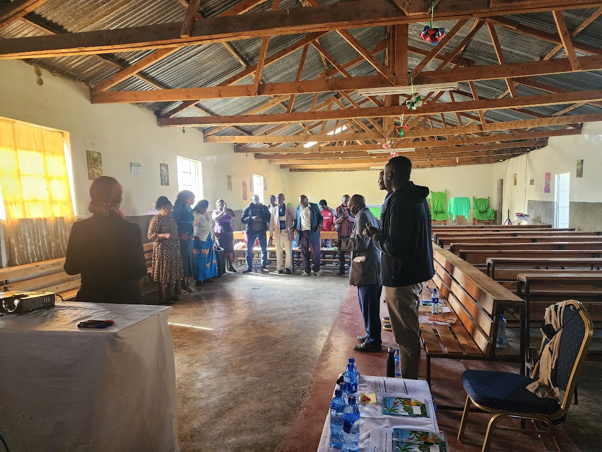
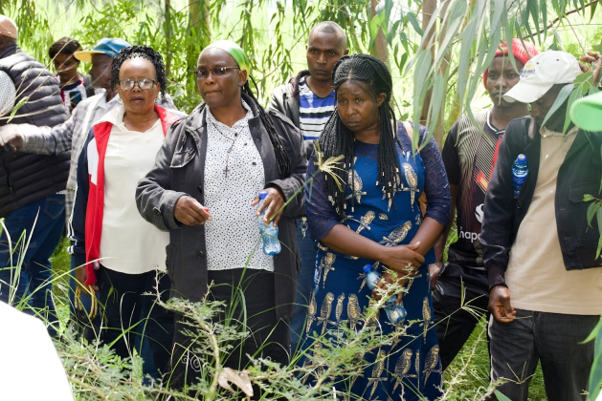
OikoDiplomatique and World Vision worked together to share this knowledge in Maai Mahiu, engaging faith institutions at the centre of community life in the flood-affected area. St Joseph Catholic Church, Africa Inland Church(AIC) Muniu, Africa Inland Church(AIC) Ruiru, Full Gospel Church Muniu, Kenya Assemblies of God, and Jamia Mosque all sent representatives to the workshop. This way the workshop grew into a shared community response that brought different denominations together around a shared goal.
Two Days That Changed the Conversation
The training opened with a look back at how Maai Mahiu once was. Participants were asked to think back, to describe how green Maai Mahiu used to be before the rains grew unpredictable and the land grew dry. Voices in the room traced the decline together, houses built where forests once stood, tree species cut faster than they could regenerate, livestock grazing the same patches of ground until nothing remained, quarries opening where soil used to anchor itself, and the steady creep of practices that asked more of the land than it could give back. Naming the causes mattered. It meant the solution that followed would not feel abstract.
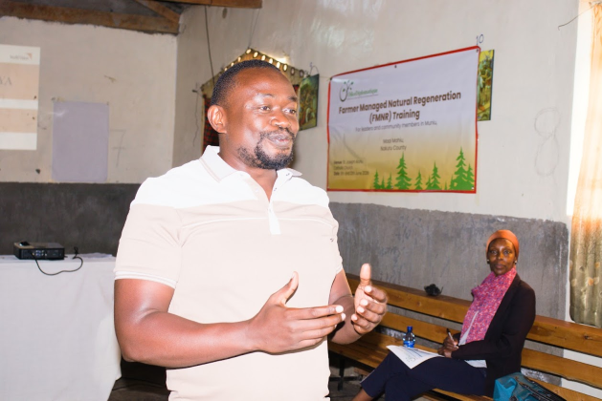
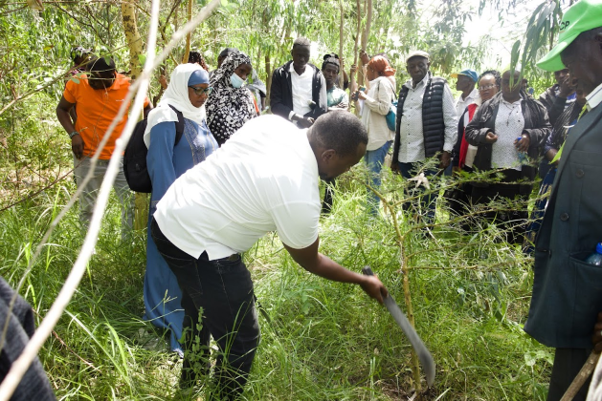
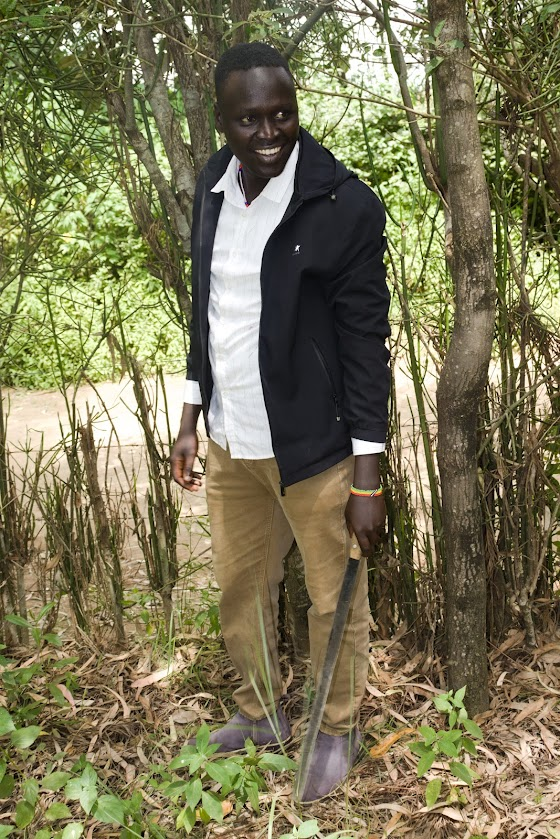
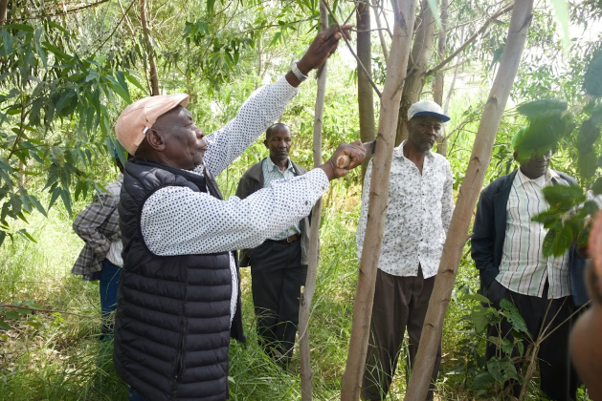
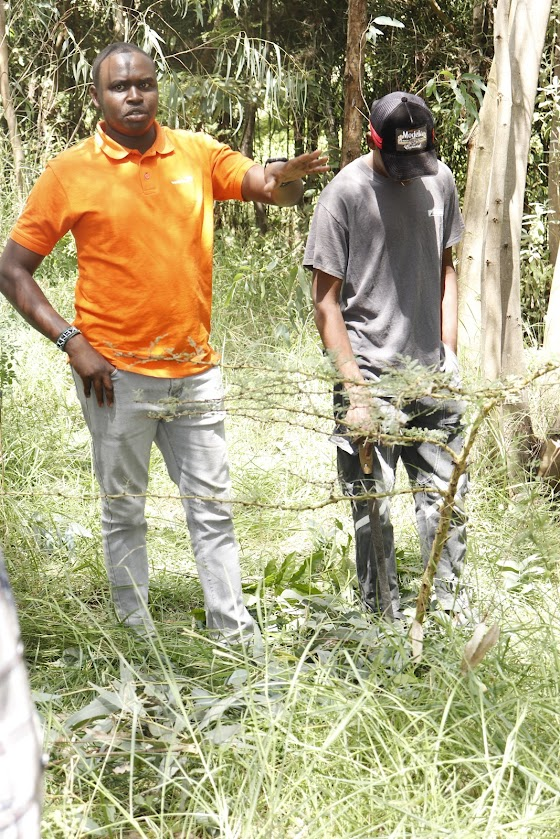
World Vision trainers Mr Anthony Mativo and Mr Steve Ledama then introduced FMNR itself, grounding the session in scripture from the very first moment, opening with Genesis 2:15, a reminder that caring for the land carries a meaning rooted in faith and not only in policy. From there, the training moved through the practical core of the method: how to select the right tree species and stumps, how to prune for healthy regrowth, how to manage and maintain trees once they take hold, and how communities of faith specifically can carry this work forward. By the second day, the room had moved from listening to imagining. Participants began describing, almost without prompting, how they pictured FMNR spreading once they returned home.
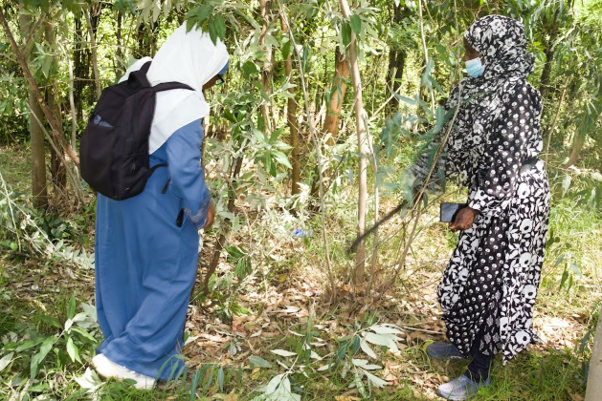
Voices From the Room
One of the trainers, Anthony, shared a story about once spending more on transport to buy vegetables than the vegetables themselves. The irony stayed with him, especially since he was teaching others how to establish kitchen gardens. It prompted him to start his own garden, both for practicality and as a matter of setting an example. Over time, his household not only had enough vegetables, they also had surplus in their kitchen garden. It was a small story, but it reflected something larger about how change takes root, it begins with what people can see, and spreads more quickly through lived example than through instruction alone.
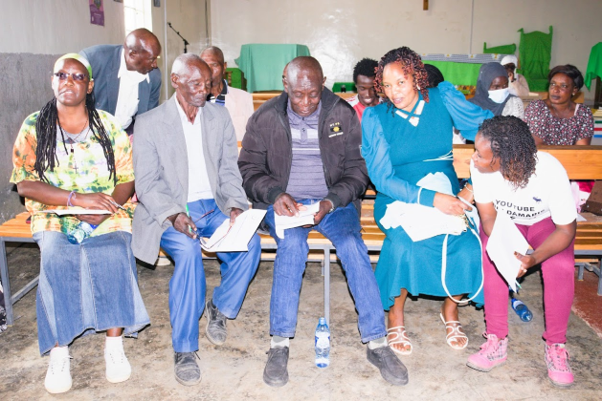
That same understanding shaped how the group thought about scaling FMNR. Chamas, the women’s organised savings and support groups already woven into daily life, were named as natural channels for spreading the practice. Local leaders, the kind who convene barazas and village meetings, were identified as people who could make the work land more easily within existing community structures. The Maai Mahiu Survivors Group, formed in the aftermath of the flood, was recognised as a platform already primed for this work, a group with both the standing and the motivation to restore the very land that had hurt them.
Schools entered the conversation too. Environmental clubs, Sunday school sessions, and the simple act of involving children directly at home were all raised as ways to make restoration generational rather than momentary. As one note from the session put it plainly, the goal is a future where farmer teaches the farmer, church reaches church, mosque reaches mosque, a scenario that makes individuals FMNR champions and places of worship the immediate stewards of the environment.
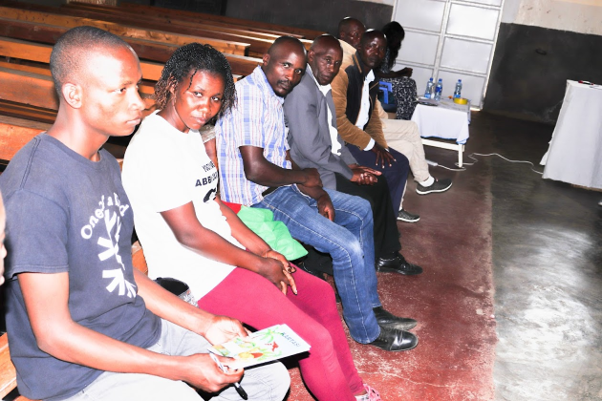
Someone raised the harder truth too. Not everyone would embrace this immediately. Some people, the group acknowledged, would want to see a demonstration site before they believed any of it could work. Others would simply resist. The advice that emerged from the room was not to despair, but to keep faith in the process, to let receptive farmers train other farmers, receptive schools reach other schools, and willing churches reach other churches, exchange visits doing the convincing that argument alone could not.
The training closed on a note of accountability, distilled into a single Swahili phrase that participants carried home:
“Kuanzia leo, wewe ni Mativo wa kijiji chako.” “From today, you are the Mativo (trainer) of your village.”
It changed the role of each attendee, from solely receiving knowledge to carrying it forward.
With multiple languages spoken in the room, it provided an opportunity for FMNR to be translated to make advocacy easier.
FMNR in Kikuyu, “Ùriùkia na ùmènyèrèri wa mìtì ya kìmèrèra”
FMNR in Kiswahili, “Mkulima ambaye anatunza miti zinazochipuka kiasili”
FMNR in Ethiopian ethnic group Nyangatom, “Akinyiɛkun ajako a ngalup kotere ngutunga a ngibarɛn”
What Comes Next
The conversation did not end with goodwill alone. Before closing, the group shaped a shared plan to turn the momentum in the room into sustained action. The focus was on starting small but steadily expanding learning through demonstration sites, local churches, schools, and wider community spaces, so that FMNR becomes part of everyday practice rather than a one-time training. Setting up a community tree nursery and regular gatherings were also seen as essential to keep the work alive beyond the initial enthusiasm and to support continued learning and coordination.
There was also a clear recognition that community effort alone would not be enough. Participants spoke about the importance of engaging local government authorities to strengthen and support what was already beginning to take root on the ground through county policies. The aim, they noted, is to move from awareness to structured support, including community-level frameworks that can sustain the practice over time.
In the long term, the hope is that these efforts will be visible in the landscape itself, in healthier soils, stronger tree cover, and living examples that move FMNR from explanation to evidence. Signs of natural regeneration were already visible in the flood affected landscape, a reminder of what is possible when land is given space to recover.
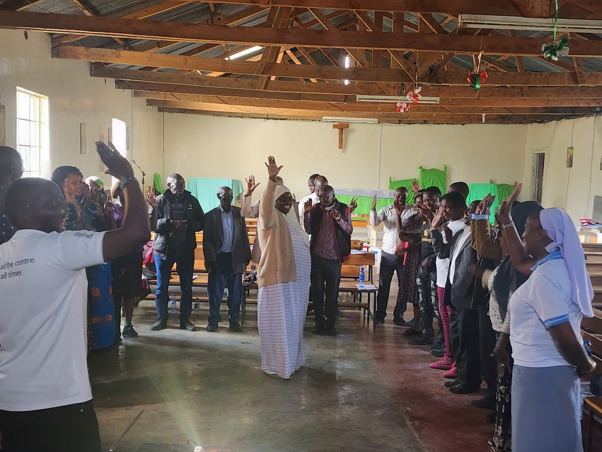
After the training, a notable dimension of psychosocial support happened when some of the participants who were directly affected by the flash floods encouraged us to visit the site before our departure. The event didn’t plan on this, but it was a gesture of solidarity to accompany them to the site.