Introduction
Kaputiei town also known as Jamii Bora is special because people built it together. The community shaped it through shared effort, local knowledge, and a strong commitment to long-term stability. Kaputiei Town sits in a peri-urban area where urban expansion meets rural livelihoods. In this in-between space, land use, value, and ownership keep shifting. We visited to understand how this model has evolved over time. More importantly, we wanted to explore what greening could look like in a place with strong community ownership. At the same time, the area faces both the pressures and opportunities of urban and rural life.
History of Kaputiei Town
In the late 1990s, Ingrid Munro started Jamii Bora with a small group of women in Nairobi. Many of them faced financial hardship and lacked stable housing. The idea was simple: people could build stability by saving, borrowing, and working together. As the organization grew, housing became a key concern. Many members lived in informal settlements, where poor conditions affected their health, income, and security. Instead of imposing an external solution, Jamii Bora worked directly with its members. Together, they created a different model. They built Kaputiei town on nearly 300 acres of land in Kisaju. Residents helped design, construct, and manage the settlement. They learned construction skills, produced materials locally, and collaborated with neighboring Maasai communities. In addition, they integrated sustainability into the process through solar energy use and wastewater recycling. This effort went beyond housing. It focused on building a place people could sustain over time. Since then, the community has grown and welcomed new residents who now call the area home.
Our Day at Jamii Bora
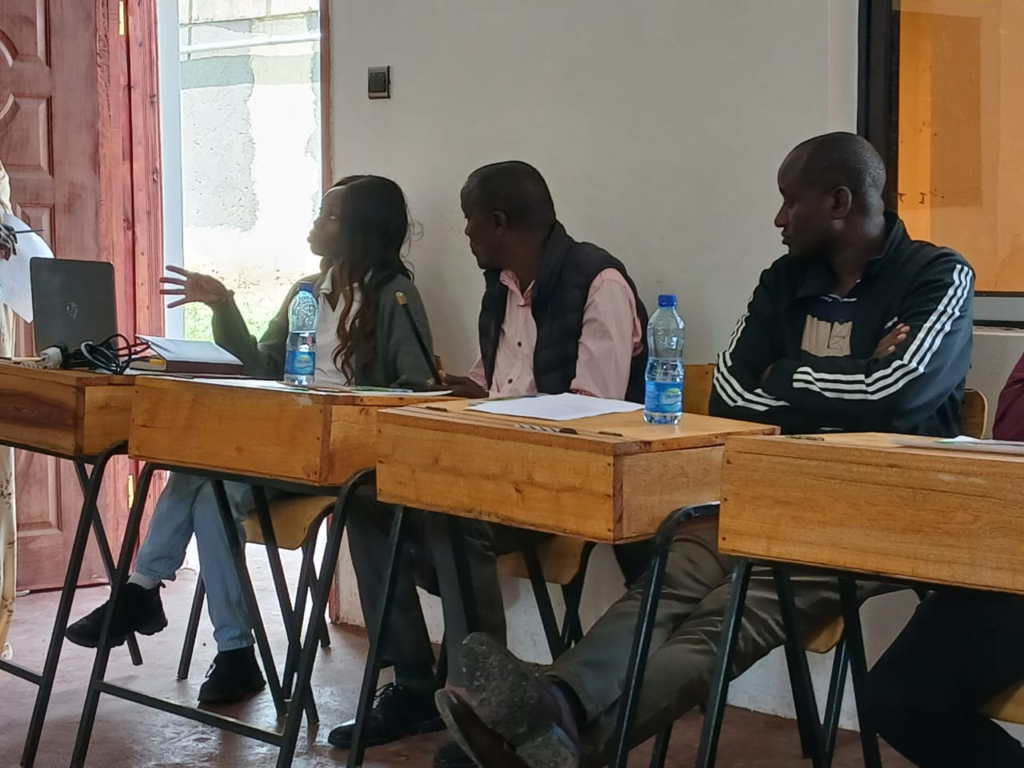
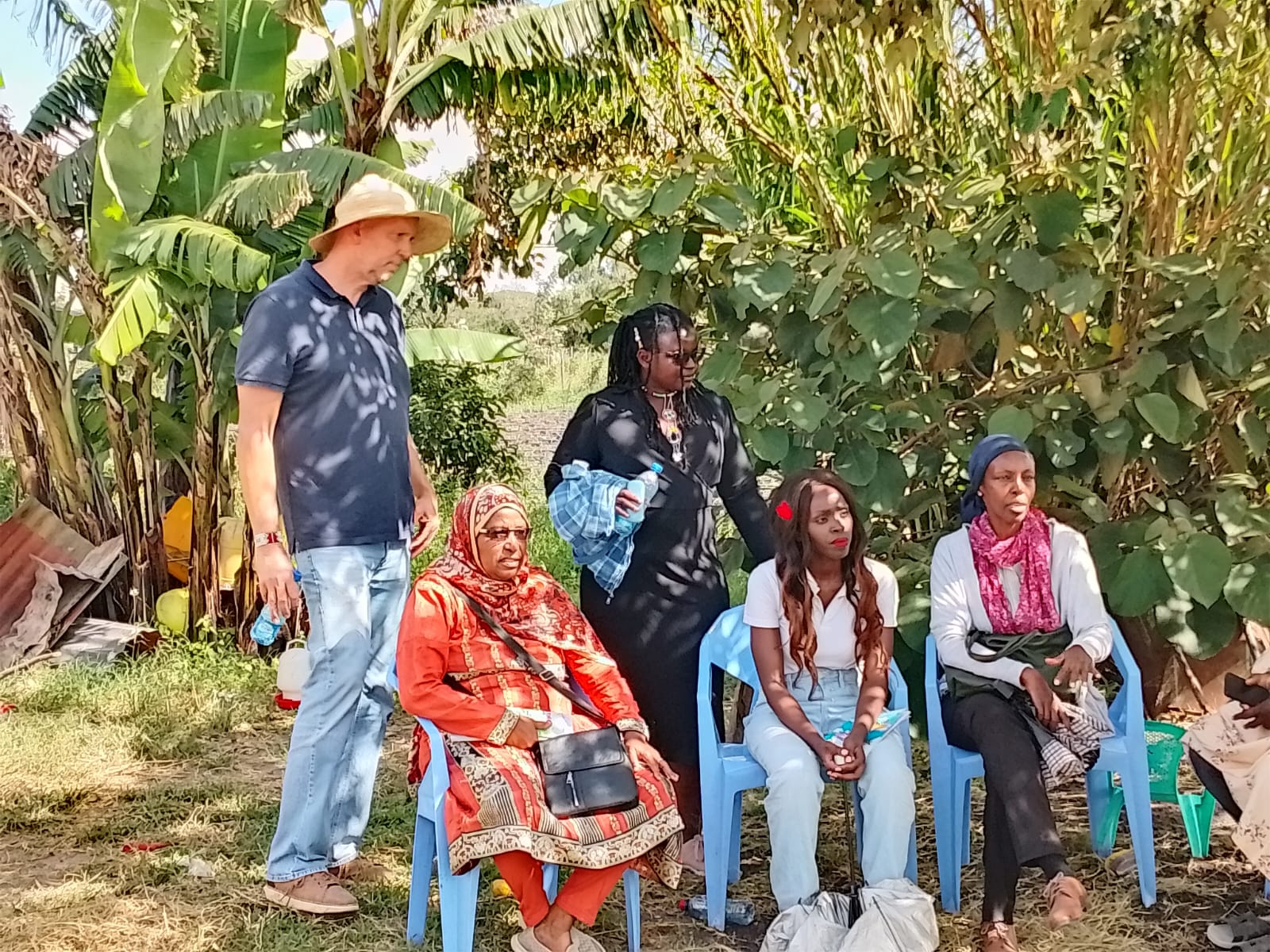
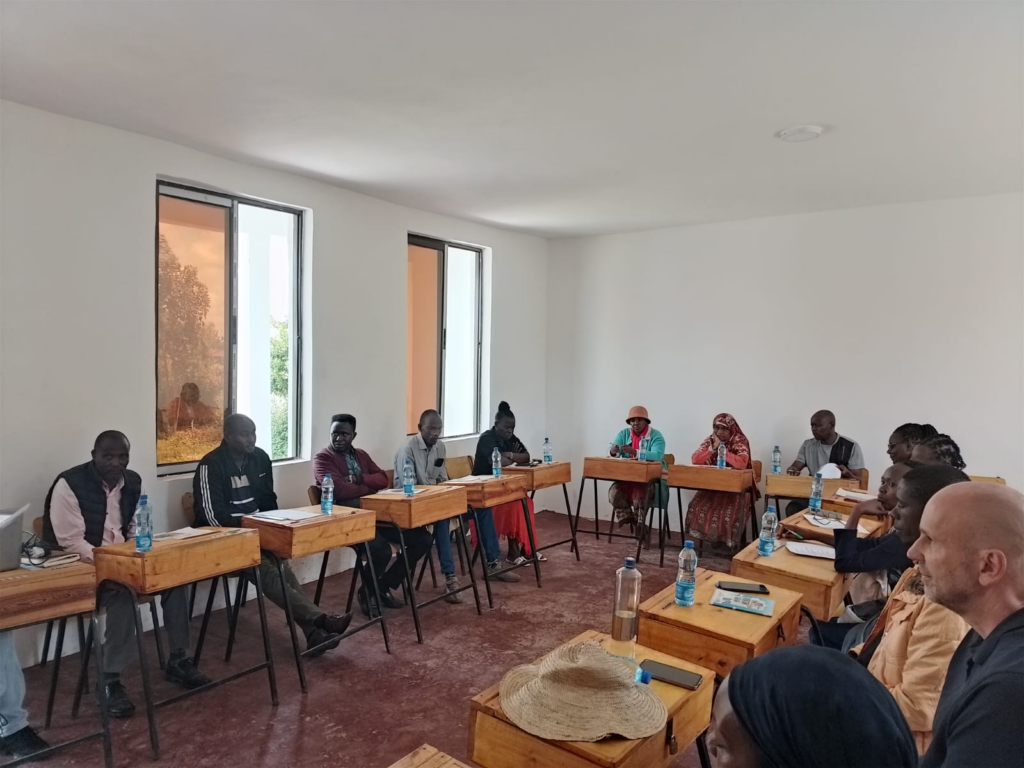
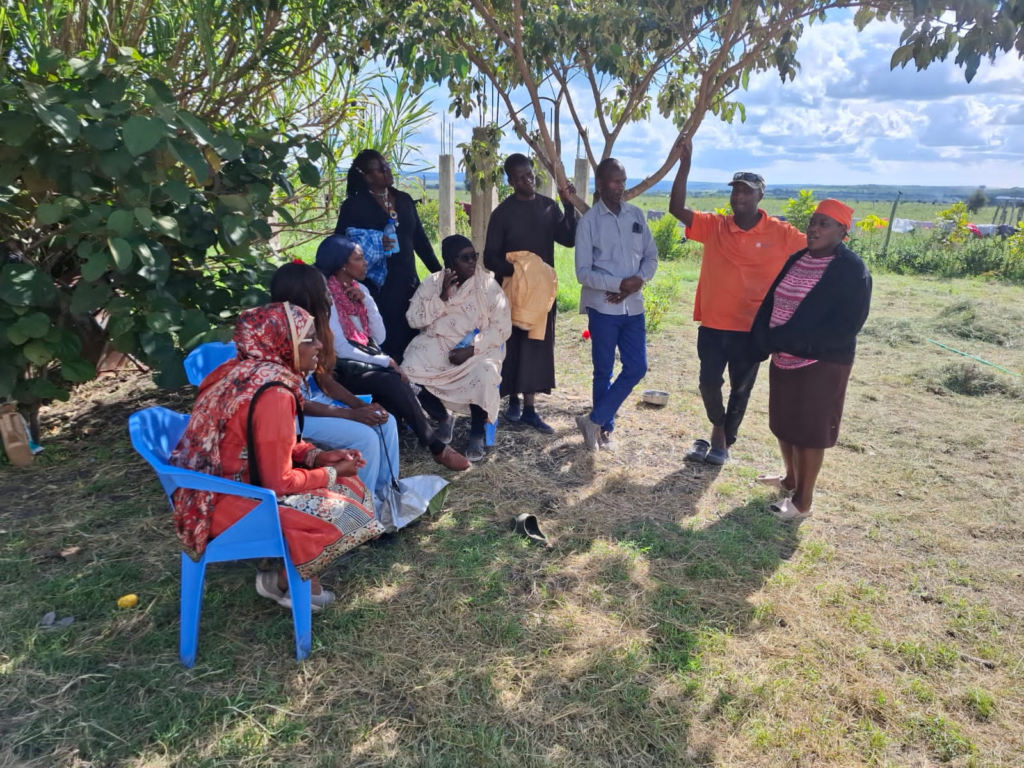
We spent the day meeting Jamii Bora community committee members, resident representatives, and members of the neighboring Maasai community at the mosque meeting hall. The OikoDiplomatique team worked alongside Stephan Lutz, an agroecology expert. Previously, some faith leaders had joined our pre-COP30 dialogue. During that session, they expressed interest in greening their institutions. Therefore, we used this visit to continue the conversation. We focused on identifying practical regreening opportunities across Kaputiei. These included faith institutions, schools, parks, and homes.
Community Feedback
Participants showed strong interest in restoring parts of the land. They also wanted to understand what foresting could look like in their context. The discussion remained open and practical. People grounded their ideas in how they currently use the land, what matters to them, and what could realistically work.
Seeing the landscape differently
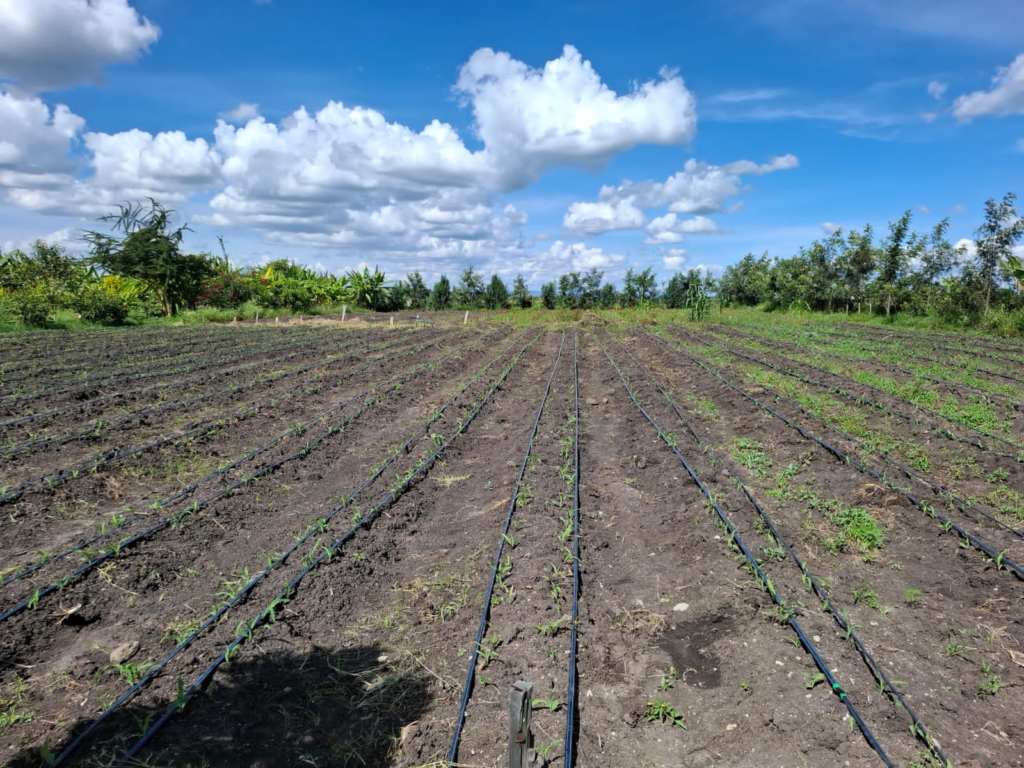
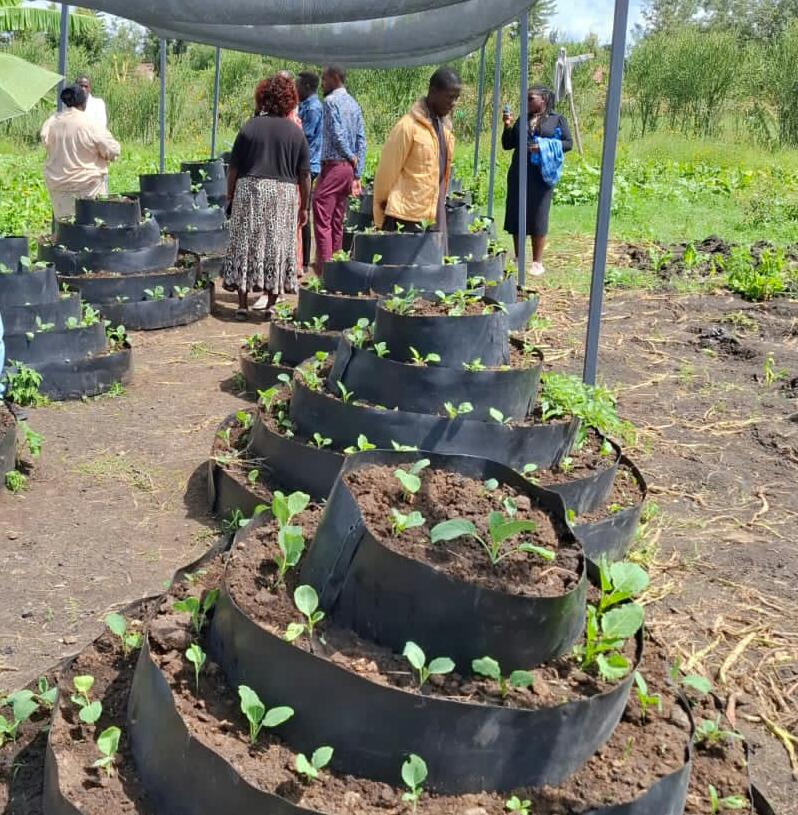
After the meeting, we walked through different parts of the town. This shift made the conversation more tangible. You begin to notice things differently. For example, a church compound offers space along its edges. A designated park area has room for shade trees. Homes, small farms, and open areas all present unique possibilities. No single place stands out as “the site.” However, when viewed together, the landscape begins to connect.
What fits where
With Stephan’s guidance, we focused on technical aspects. We examined soil quality, water retention, existing vegetation, and current land use. In some areas, indigenous trees made the most sense. In others, fruit trees or agroforestry worked better. These options fit more naturally into people’s daily lives and activities. Importantly, no single model applied everywhere. Each space required its own approach.
Why community spaces matter
Shared spaces stood out as especially important. Churches, mosques, schools, and parks bring people together regularly. As a result, greening these areas offers unique advantages. People are more likely to protect and maintain them. Over time, these spaces can shape how the community experiences and uses its environment. Ultimately, these shared spaces provide the strongest foundation for long-term impact.